Allow me to introduce you to Ablaye Ba.
Ablaye is a student and a farmer. He is 29 years old and lives in a small town near the city of Mbor. Ablaye is married to Sohkna Ba, and they live together in his family’s home.
Ablaye has 4 sisters. His 15-year old sister, a ‘typical’ teenage girl, believes that the world revolves around her. She is boisterous and sassy, and she loves to dance. His 12-year old sister is quiet calm and beautiful. She is transitioning into a young woman and much is asked of her around the house as she learns her new role. His 10-year old sister is a spunky twig with a cotton candy hairdo. She is fiery and animated and wants to be a part of everything that is happening. Finally, his 2-month old sister is a quiet, happy baby. She is beautiful and adored by everyone she meets.
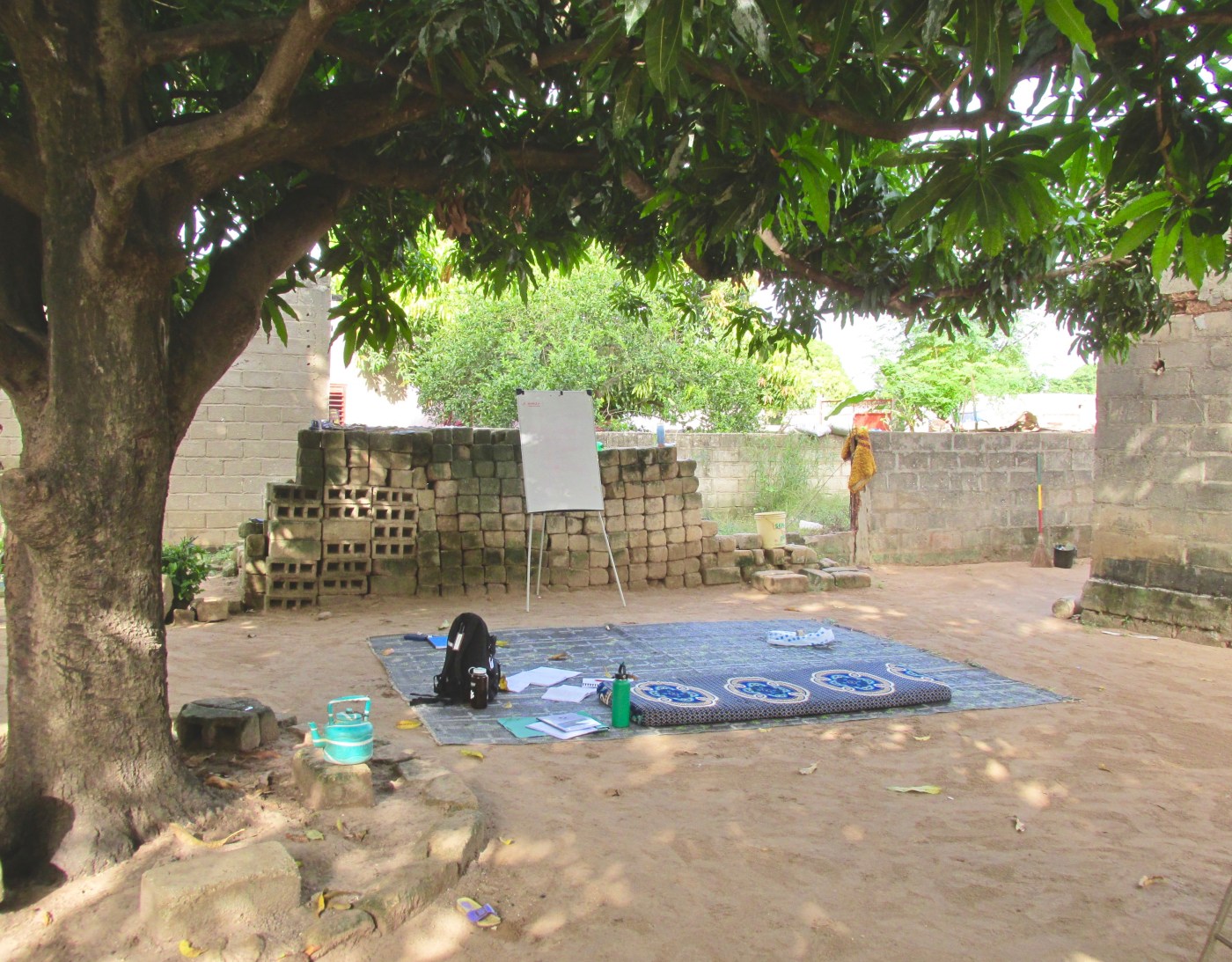
 Ablaye’s mother is a strong and patient matriarch. Her plate is full with a house full of children. The long, hot days drain her energy, but she still manages a smile while she brews attaya under the shade of the mango tree that grows prominently in the center of the family compound. Ablaye’s father lives in France, but he sends money and gifts back home regularly.

The Ba compound is a bustling hub of neighborhood activity. It’s busy with the teenage gaggle that follows Ablaye’s oldest sister, the neighborhood children that come over after school, the older women that lounge and laugh in the shade, and late night attaya or soccer match viewing.
All the while, Ablaye struggles to fit in. He is a quiet, observant man. He watches the people move around his compound as if he were contemplating how they worked, like an engineer may study a foreign machine.
He is excited to strike out on his own, but is not yet ready to leave the comforts and security of his support system in his hometown. He thinks he will eventually move, with Sohkna, to a region in the north of Senegal. It is hot and dry there, but there are opportunities for farmers along the Senegal River. Even so, that seems a long way off.
For now, Ablaye focuses on his studies. He tries to help out around the house and relieve his mother and Sohkna from some of their duties. Household chores are not the traditional role for a Senegalese man, and Ablaye is often teased and ridiculed for his efforts. This does not deter him from trying.

Sohkna is beautiful and amiable. She is a strong and capable presence in the household. She tries to fit in among the Ba family, though she is often reminded that she is an outsider. Still, she loves the family and they love her. She works hard to prove her worth, but no effort is needed. She too looks forward to moving north, and anxiously waits for that day to come.
Ablaye and Sohkna are the names that were given to us by our CBT (Community Based Training) family. We live with them, away from the training center, about half of the time during these first few months in Senegal. With them we learn the local language, share meals and exchange cultural lessons. The rest of our time during this home-stay experience is filled with language classes and technical agriculture practicums. Our language classes are usually outside on a leeso mat under the shade of a tree, but it’s not exactly a picnic. When we are not at CBT, the rest of our Pre-Service training is spent in training sessions with Peace Corps staff at the training center.

We are learning Pulaar, a language used by the Fulbe people in the Sahel region across West Africa. The Fulbe were historically pastoralists, herding their livestock across great expanses to find food and water. Our jobs among the Fulbe will be increasing food security by improving crop management techniques, increasing vegetable production and incorporating trees in the agriculture landscape. The bulk of our task ahead, however, is focused more on growing relationships than plants.

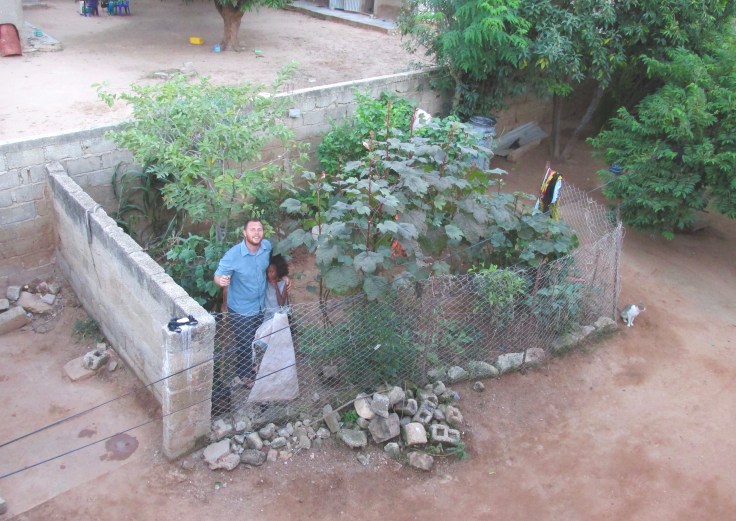
This week we will have the chance to visit our permanent site for the first time. We are traveling with a local community member that will take us to meet the volunteer we will be replacing. We will have the opportunity to see the place we are going to live and work for the next two years, and meet our host family (where we will probably get new names again). After a few short days there, we will travel back for more training. We are anxious to visit our permanent site, and excited to learn as much Pulaar as we can manage over the next few weeks. We will finally install into our permanent site in early December, so Allah jabi (God willing).



I can almost reach out and touch you. Thank you for sharing this time with the Ba family with us., and all our best in continuing this exciting and challenging journey……Allah jabi.
Love, one of your Lake Wales Dads.
LikeLike
Beautiful story – sounds so exotic yet also quite familiar. Sounds like you guys are working hard and starting to assimilate into a very different, yet interesting culture. Look forward to hearing more about your work and adventures. We love you guys and are excited you are having this great adventure.
LikeLike
Very well written. I feel like I really know what your situation is. God bless you as you shine his light there. You’re learning a lot and sharing a lot, as well. Love, Ellen
LikeLike
Hello Kirby and Emilie,
Your mom (Susan) gave me an update within the last week or so. It is great to hear from you directly.
If you emailed me prior to this post, I missed those somehow. I’ll have to pay more attention.
The pictures are great of your CBT family and his extended family. You both look well.
Is the Pulaar Language hard to learn. Easy or hard, I will pray that it comes along quickly.
Does anyone speak English in the villages? Katie said her experience was she spoke Spanish to most of the villagers that also knew Spanish and eventually spoke Chachino [ not spelled correctly ] very well at a 4 year old level by the end of her last trip.
I will also pray that you continue to find joy in your tasks and relational efforts as all of you grow in grace. I need to get back to paying bills.
I love you both.
Barb
LikeLike